Everything you wanted to know about dairy
Straight answers about lactose intolerance, lactase and living your best (dairy-filled) life.
Start here
What the experts say
This page is being worked on and will be released soon.
HOW IT WORKS
One tablet. One hour. Zero worry.
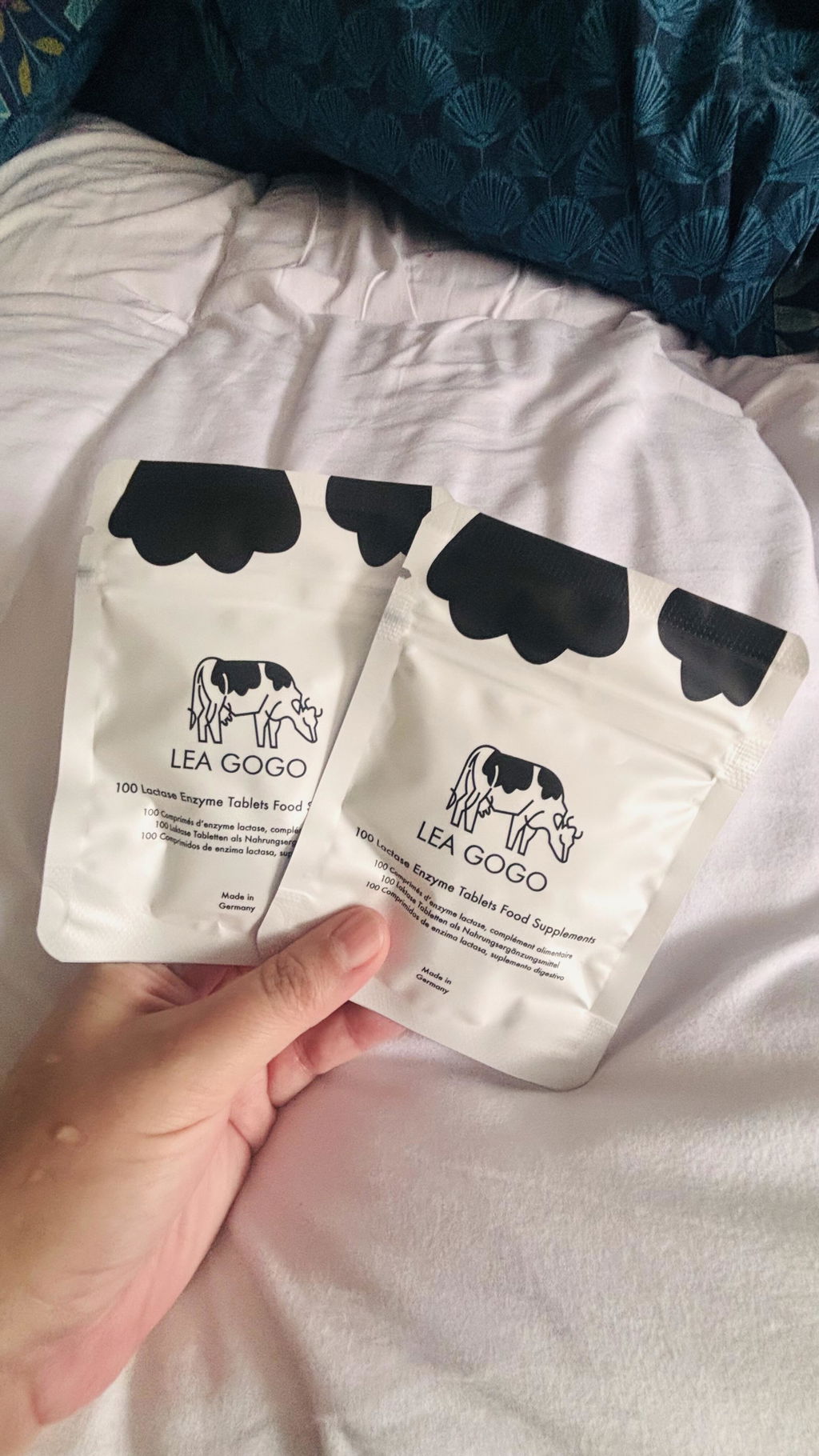
Lactase is the enzyme your body is missing. Lea Gogo simply tops it up - so the lactose in your meal gets broken down before it can cause symptoms.
FROM THE BLOG
Lactose intolerance guides & dairy tips


Your questions, answered
Everything you might be wondering before you buy.
Can you become lactose intolerant later in life?
Yes, lactose intolerance very commonly develops later in life. For most people around the world, lactase production naturally declines after childhood, so you may tolerate dairy well for years and only notice symptoms as a teenager or adult. Lactose intolerance can also develop temporarily after a stomach bug, or alongside conditions that affect the gut, such as coeliac disease or Crohn's disease.
How do I know if I'm lactose intolerant?
The most common signs are bloating, gas, stomach cramps or diarrhoea, which appear roughly 30 minutes to a few hours after eating or drinking dairy. If you notice this pattern regularly, try keeping a food diary and speak to your GP. They can confirm the diagnosis, often with a hydrogen breath test, and rule out other causes such as a milk allergy or IBS. Read more here.
How common is lactose intolerance?
Lactose intolerance is very common. Around two-thirds of the world's population have a reduced ability to digest lactose after infancy. How common it is depends on ancestry: it affects most people of East Asian, West African and Indigenous American heritage, but fewer people of Northern European descent. Lactose intolerance is a normal variation in human biology rather than a disease, and it can be managed with dietary changes or lactase supplements.
Can I eat cheese if I'm lactose intolerant?
Often, yes. Many cheeses are naturally very low in lactose, because most of it is removed with the whey or broken down during ageing. Aged hard cheeses like cheddar, parmesan and gruyère contain almost none, typically under 0.1g per 100g. Soft and fresh cheeses such as ricotta, cottage cheese and cream cheese contain more. If you're eating dishes with several dairy ingredients, like pizza, lasagne or cheesecake, a lactase tablet can help.
Can lactose intolerance go away?
The type that develops naturally with age usually doesn't go away, because it reflects a lasting drop in lactase production. Lactose intolerance caused by a stomach bug, antibiotics or a gut condition is different: it's often temporary and can improve once the gut heals. Many people find they can tolerate small amounts of dairy, especially alongside other food.
Do I have to give up dairy if I'm lactose intolerant?
Not necessarily. Most people with lactose intolerance can still enjoy dairy by choosing lower-lactose options like hard cheese and yoghurt, eating smaller amounts with meals, switching to lactose-free milk, or taking a lactase supplement with dairy foods. Cutting out dairy completely can make it harder to get enough calcium, so it's worth finding an approach that keeps the foods you love in your diet.
Ready to enjoy dairy again?
12,500 FCC, 3 clean ingredients, made in Germany - with 15% off your first order and a an amazing loyalty program.
Shop now