Lactose intolerance, milk allergy, or something else?
They can feel similar, but they are very different and only some are helped by a lactase tablet.
| Lactose intolerance A digestive issue |
Milk allergy An immune reaction |
Other (IBS, etc.) Various triggers |
|
|---|---|---|---|
| What it is | Trouble digesting lactose (milk sugar) | Immune reaction to milk protein | Gut conditions like IBS, coeliac, SIBO |
| What reacts | The digestive system | The immune system | Varies by condition |
| Common symptoms | Bloating, gas, cramps, diarrhoea | Hives, swelling, wheeze, vomiting | Bloating, pain, irregular bowels |
| Onset | 30 min to 2 hrs after dairy | Minutes to 2 hrs | Variable, often food-linked |
| Severity | Uncomfortable, not dangerous | Can be serious / anaphylaxis | Mild to significant |
| Dose-dependent? | Yes - more dairy, more symptoms | No - even a trace can react | Sometimes |
| Helped by lactase (Lea Gogo)? | Yes | No | Not directly |
| Who to see | GP / dietitian if unsure | GP / allergy specialist | GP / gastroenterologist |
Where Lea Gogo fits in
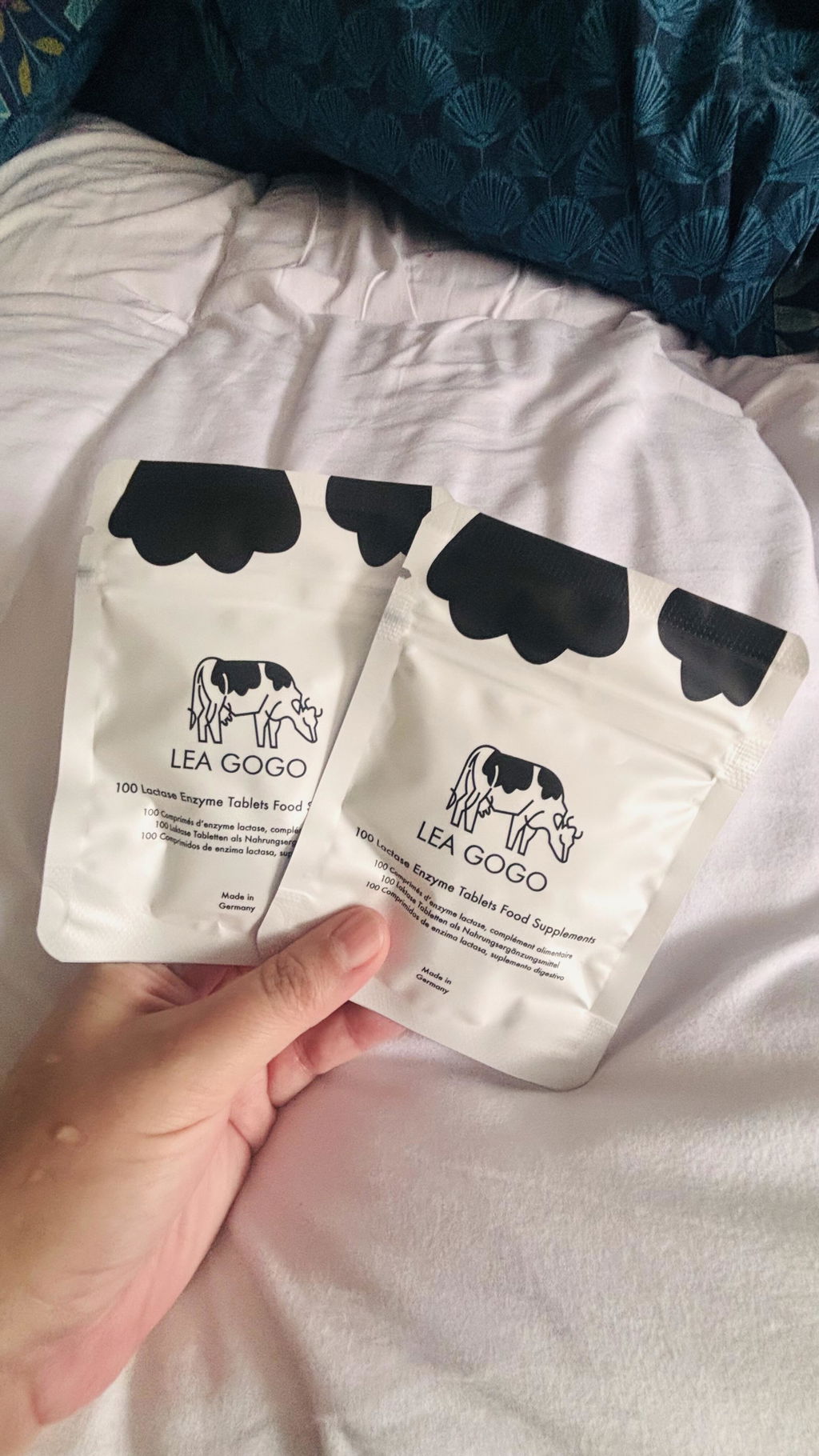
Lea Gogo is a lactase enzyme tablet, so it is designed for lactose intolerance - it breaks down the lactose (milk sugar) your body struggles with. It is not a treatment for a milk allergy, which is an immune response to milk protein and needs proper avoidance and medical guidance.
General information, not medical advice or diagnosis. If you or your child experience swelling, hives, wheezing or difficulty breathing after dairy, seek medical help immediately.

Featured post
Lactose intolerance or dairy allergy?
Let’s clarify the difference between intolerance and allergy, as even an important proportion of people affected by one or the other think they are quite the same. In any case,...

Featured post
Latest News
This section doesn't currently include any content. Add content to this section using the sidebar.
Your questions, answered
Everything you might be wondering before you buy.
Is lactose intolerance an allergy?
No, lactose intolerance is not an allergy. It's a digestive issue: your body doesn't make enough lactase, the enzyme that breaks down lactose (the natural sugar in milk). A milk allergy is different. It's a reaction by the immune system to the proteins in milk, not the sugar.
What's the difference between lactose intolerance, milk allergy and IBS? They have different causes:
They have different causes:
- Lactose intolerance is a digestive issue. Your body doesn't make enough lactase, the enzyme that breaks down lactose (the natural sugar in milk).
- Milk allergy is a reaction by the immune system to the proteins in milk, casein and whey.
- IBS (irritable bowel syndrome) is a long-term condition affecting how the gut works, and many different foods, stress and other factors can trigger it.
All three can cause stomach discomfort, which is why they're often confused.
How can I tell which one I have?
The type and timing of symptoms give useful clues:
- Milk allergy symptoms usually appear within minutes to two hours. They can include hives, swelling, vomiting or wheezing.
- Lactose intolerance causes bloating, gas, cramps or diarrhoea, typically 30 minutes to a few hours after eating dairy. The symptoms happen only after dairy.
- IBS symptoms include stomach pain, bloating and diarrhoea and/or constipation. They come and go over time and are linked to many different triggers, not just dairy.
A GP can confirm the cause. They may use a hydrogen breath test for lactose intolerance, skin-prick or blood tests for allergy, or rule out other conditions before diagnosing IBS.
Can lactose intolerance be mistaken for IBS?
Yes. Lactose intolerance and IBS share many symptoms, especially bloating, wind and diarrhoea, so one is often mistaken for the other. Lactose is also one of the FODMAPs, a group of carbohydrates that commonly trigger IBS symptoms. Some people with IBS find that dairy is one of their triggers. If your symptoms reliably follow dairy and settle when you avoid it, lactose may be the main cause.
Can you have IBS and lactose intolerance at the same time?
Yes, IBS and lactose intolerance often occur together. Having IBS can make you more sensitive to the effects of lactose. A dietitian can help you work out your personal triggers, often through a structured approach such as the low FODMAP diet.
Do lactase supplements work for milk allergy or IBS?
Lactase supplements only help with digesting lactose. They do not prevent allergic reactions, so anyone with a milk allergy should avoid dairy completely and follow medical advice. For people with IBS whose symptoms are triggered by lactose, lactase can help with digesting dairy. It won't help with IBS triggers that aren't related to lactose. Lea Gogo is designed for people with lactose intolerance.
Is lactose-free milk safe for a milk allergy?
No. Lactose-free milk still contains the milk proteins that cause allergic reactions. People with a milk allergy need dairy-free alternatives such as oat, soya or almond drinks. Lactose-free milk is generally suitable for people with lactose intolerance.
When should I see a doctor about my symptoms?
See your GP if your digestive symptoms are ongoing or affecting your daily life, so they can confirm the cause rather than you guessing. See a doctor promptly if you notice blood in your stool, unexplained weight loss or symptoms that wake you at night. Call emergency services if you have signs of a severe allergic reaction, such as swelling of the face or throat or difficulty breathing.
Ready to enjoy dairy again?
12,500 FCC, 3 clean ingredients, made in Germany - with 15% off your first order and an amazing loyalty program.
Shop now